Cold night on Dartmoor last night -4.5 C, very unusual for April.

Had to stay pretty still for this one, 6 second exposure
Morning world - sunrise behind an old ruined farmhouse on dartmoor
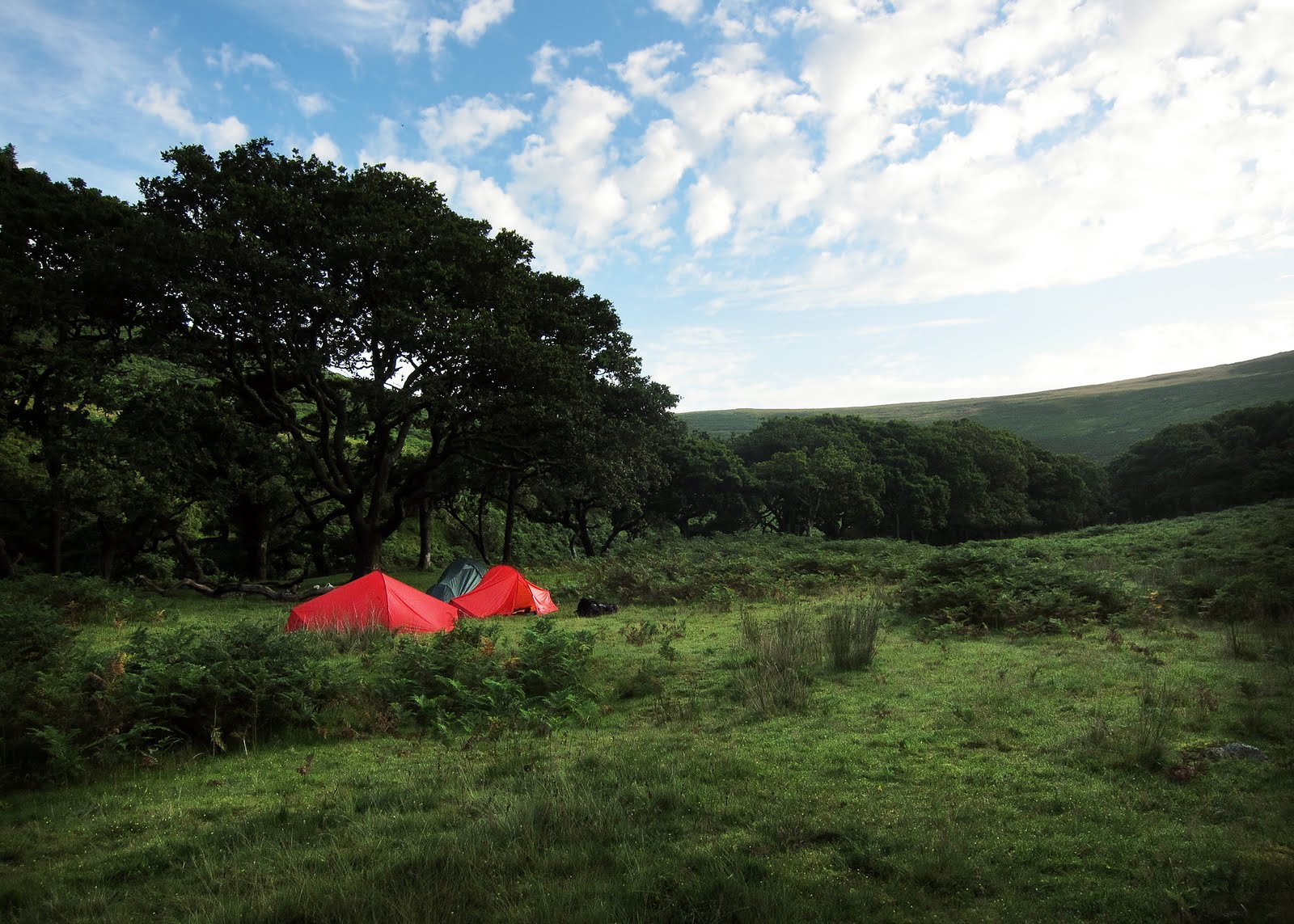
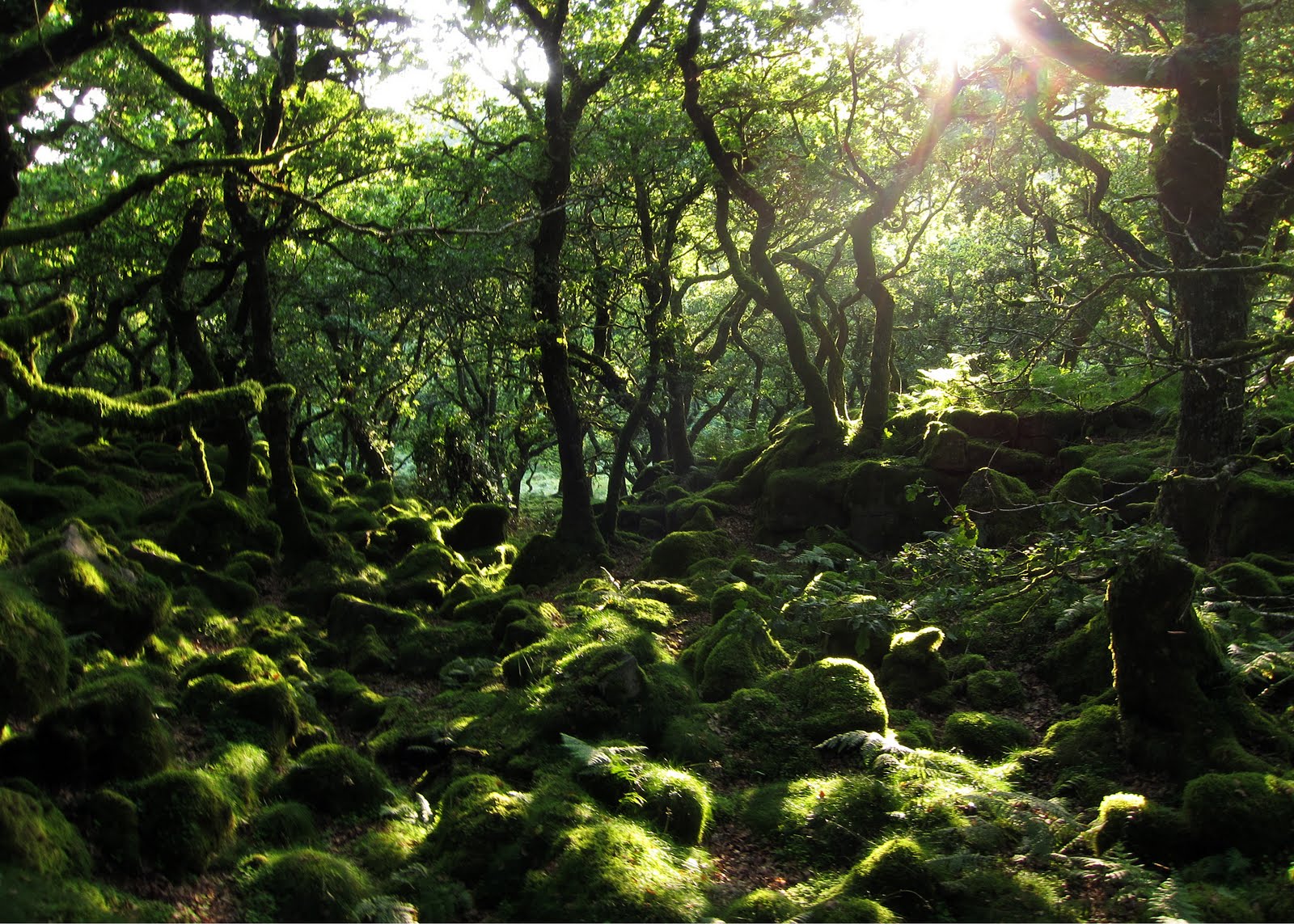
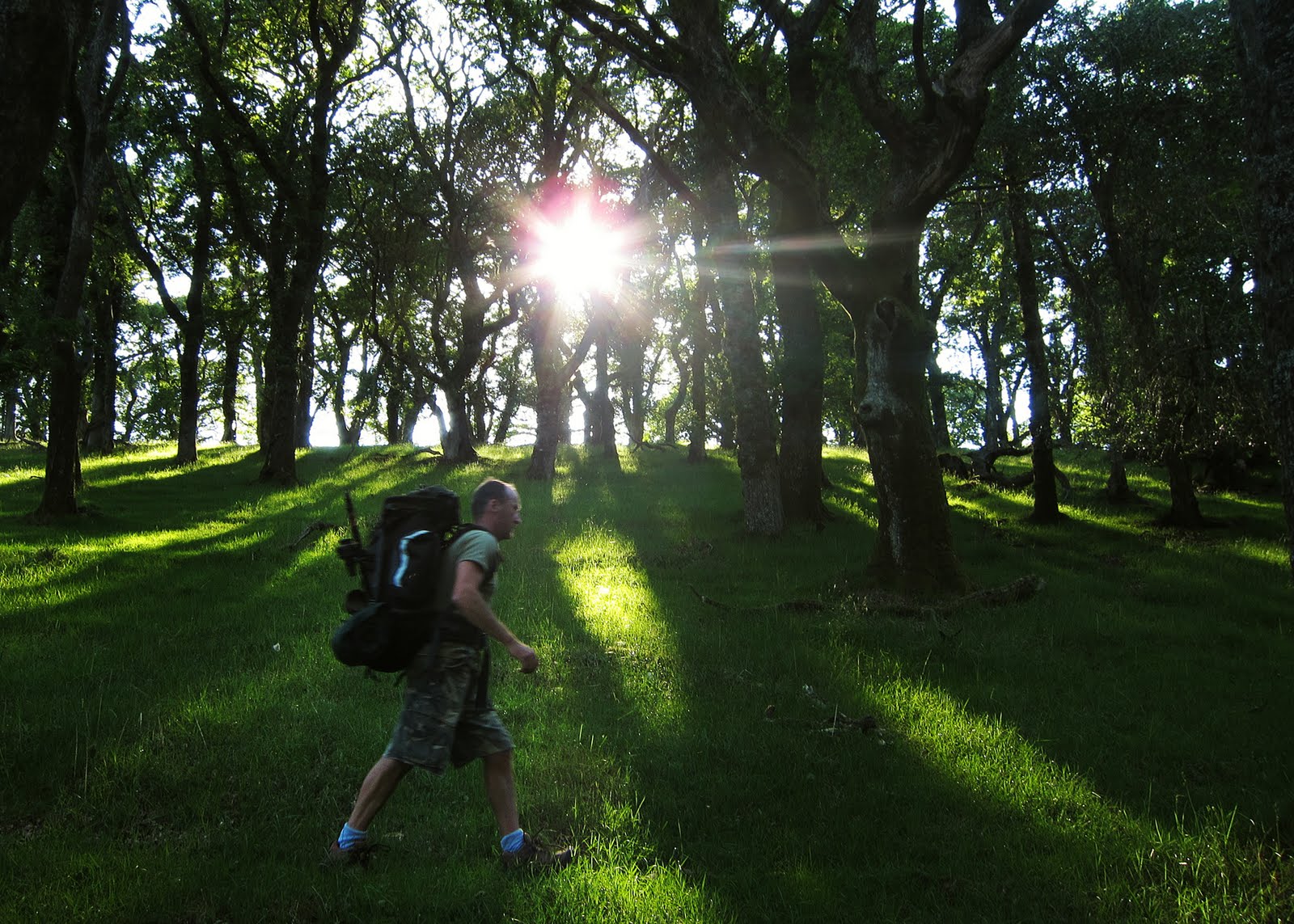
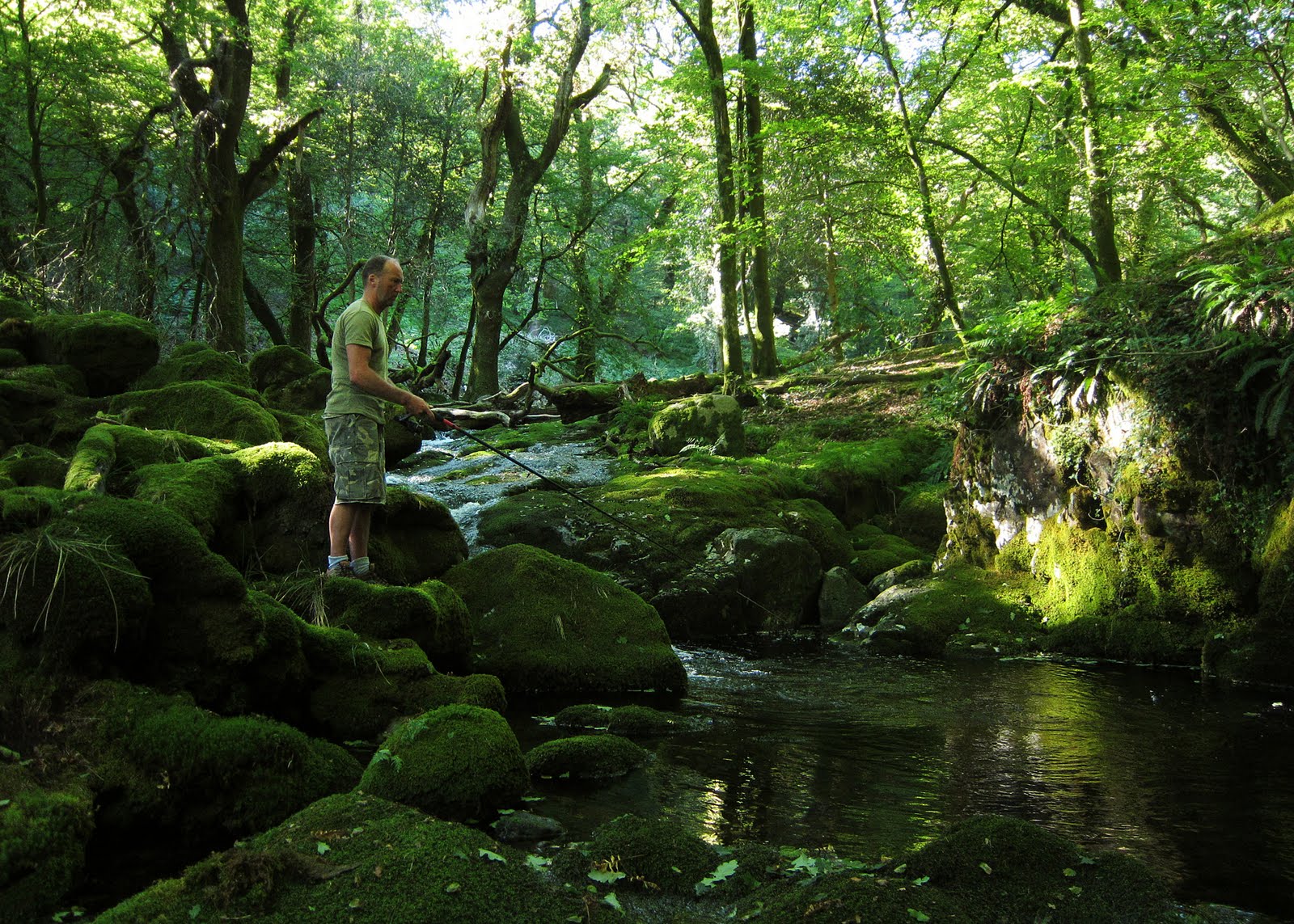
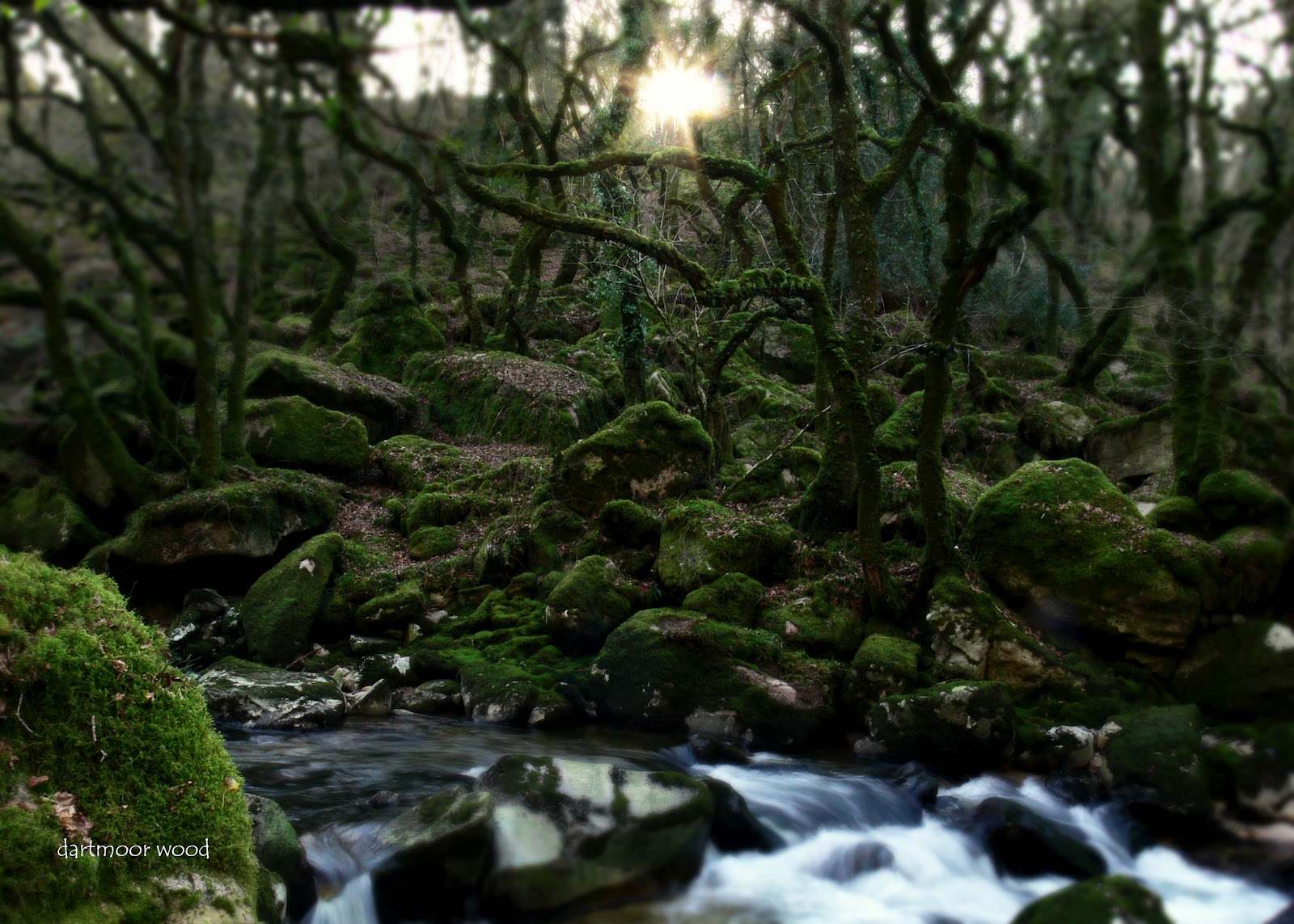
The title is from a 6th century poem 'Cad Goddeu' (Welsh: The Battle of the Trees). Some of my favourite places on Dartmoor are what's left of the ancient oak forests, which tend to nestle in some of the remote and high river valleys of Dartmoor. There are only three of these anciant oak forests lelf on Dartmoor and this one lies along the River Erme valley at about 1000 feet in altitude. The wood consists mainly of stunted and gnarled pedunculate oak trees that grow from between moss-covered boulders. Due to the altitude the trees are particuarly short in height (some are only 10 feet high) and and covered with epiphytic mosses, lichens and ferns. After some fishing along the River Erme we wild camped near the edge of the wood.On a side note I always find it hard to capture woodlands with a camera as they are difficult to expose for due to the high contrast and while this is by no means a great photo of the wood, I hope to have to captured some of the wood's mystical and gnarled qualities.
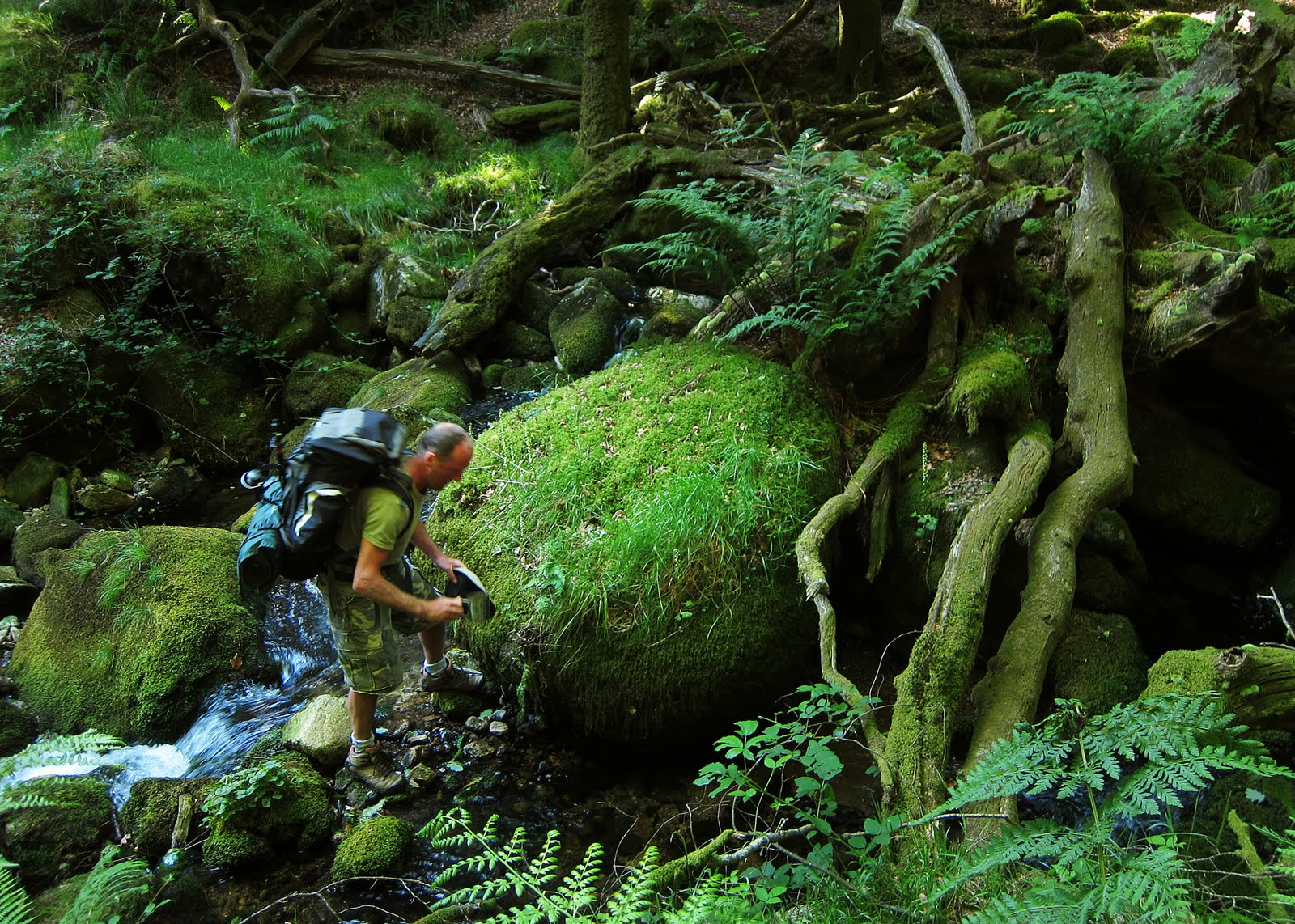
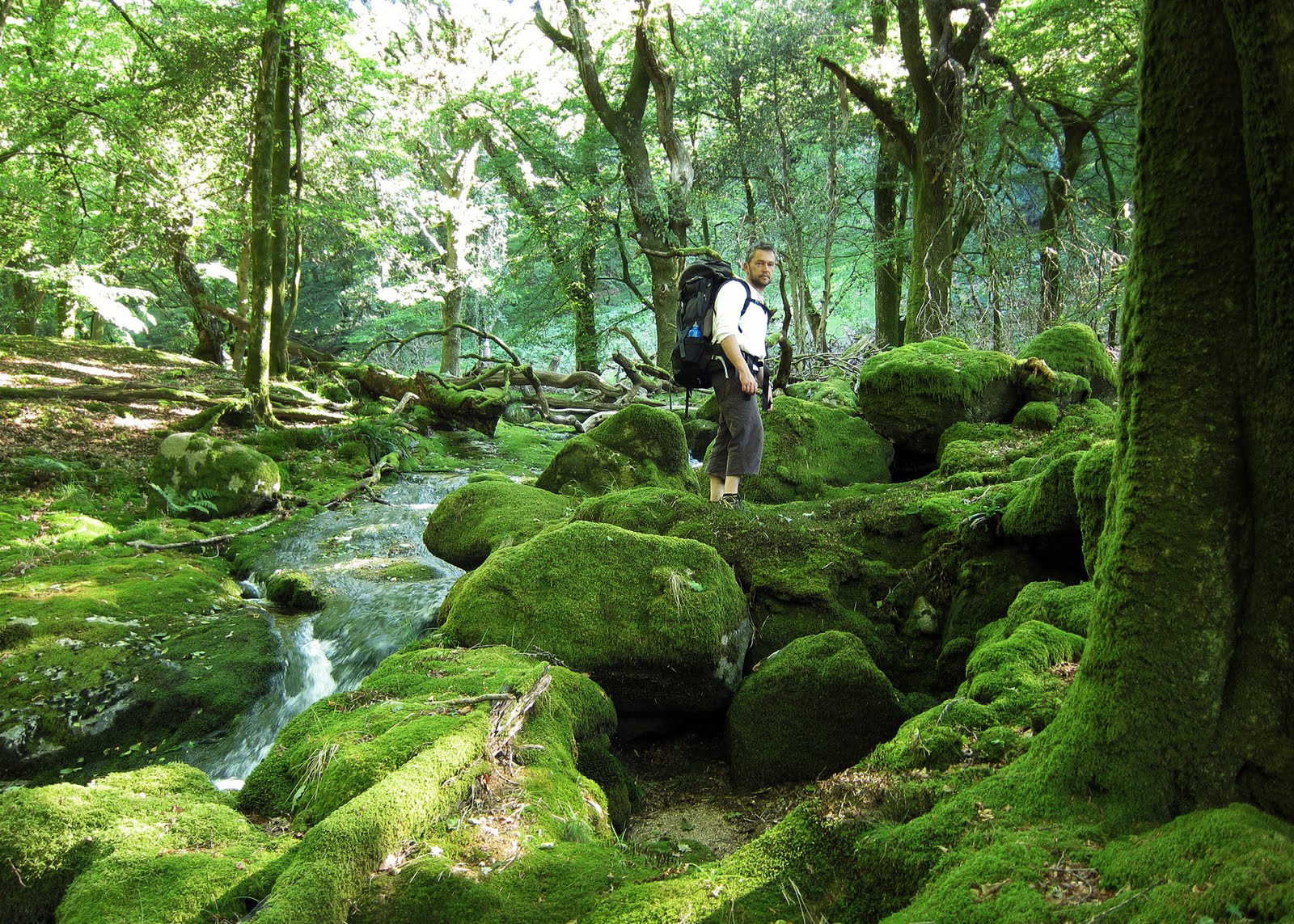
This Dartmoor wood is generally out of bounds to the public due to health and safety reasons!!! I'm not really sure why, but the good thing about this is that the wood is really pristine with no paths and no sign of human impact. The wood itself is an area of upland oak-beech woodland located in a narrow gorge of the River Yealm. The woodland is really diverse in ferns, mosses and lichens with some of the Beech trees well over 300 years old. The wood is also home to the barbastelle bat which is one of Britain's rarest, most elusive mammals.
Useful place to camp as it provided a natural windbreak and various stone seating arrangements ;)
Unfortunately, the insoles of my favourite merrell shoes melted during their proposed drying out session next to the fire ;(
Wood sorrel is found in early spring (flowering between April and June) in woods and other shady places and is often found at the base of a mossy tree trunk (as in this case). It has a characteristic shamrock-shaped leaves and a sharp lemon like taste. Wood sorrel has been eaten in salads certainly as early as the 14th century. It is still used in salads today and can be pulped to sharpen up sauces and soups. However, due to the its high content of oxalic acid it should only be eaten in moderation. Apparently, American Indians fed the root of these plants to their horses to increase their speed and in early Europe the bruised leaves were used to treat cuts and bruises.