Showing posts with label wild greens. Show all posts

Sunday, 3 April 2011

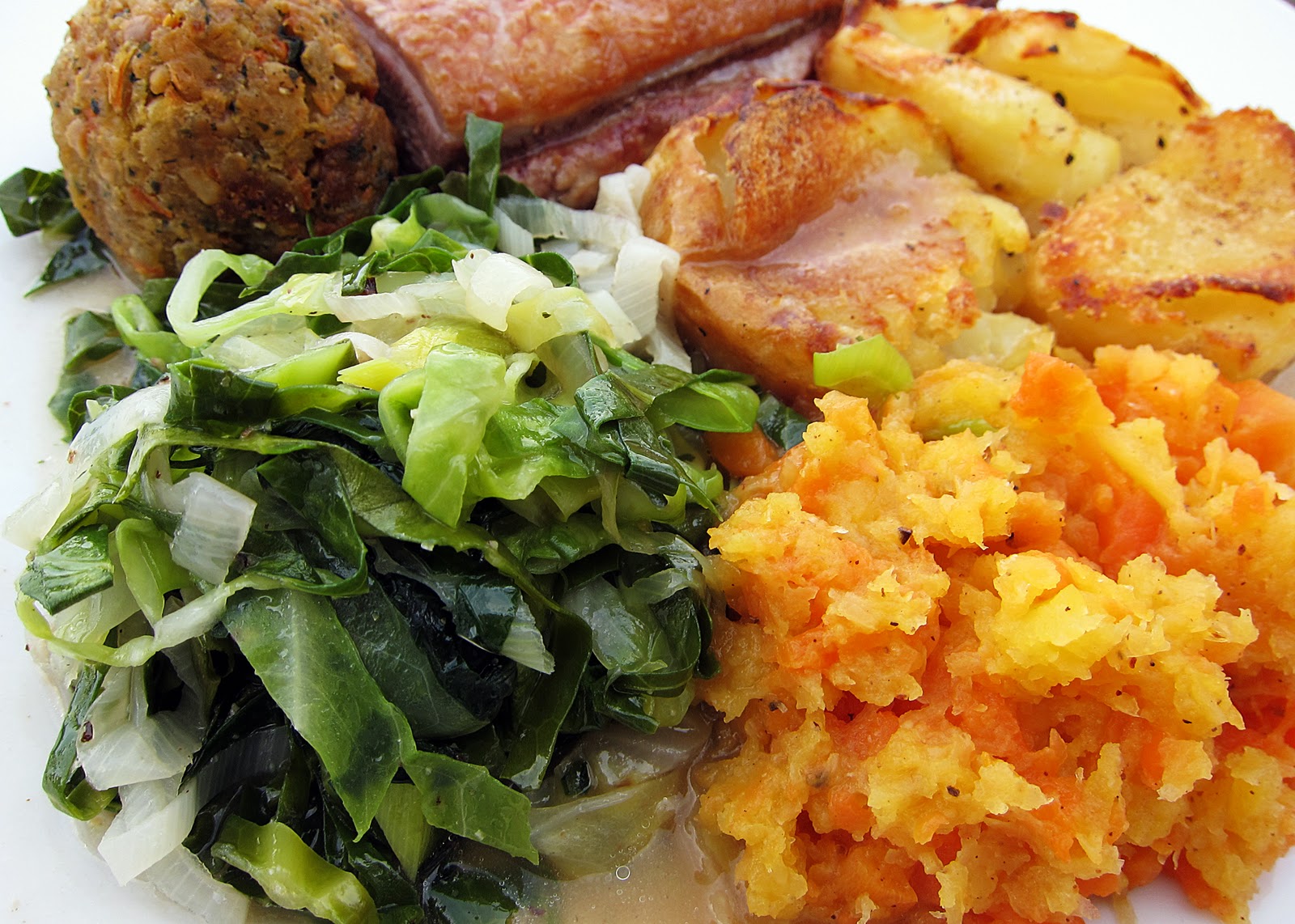
Last of this seasons wild garlic recipe


This is just a simple vegetable accompaniment to a sunday roast dinner, or anything you can think of, using this years wild garlic crop. Although you can eat wild garlic well into the spring, the first month is when the young leaves are at their best for cooking. Take equal amounts of sweetheart cabbage and wild garlic and a medium sized leek and shred into thin strips, steam until the vegetables are tender (approx. 5-8 minutes).


Sunday, 6 March 2011

Bacon and wild garlic sandwich

Went out for a long backpack this morning carrying 20 kg, this bacon and wild garlic sandwich was well earned when I got back.


Saturday, 5 March 2011

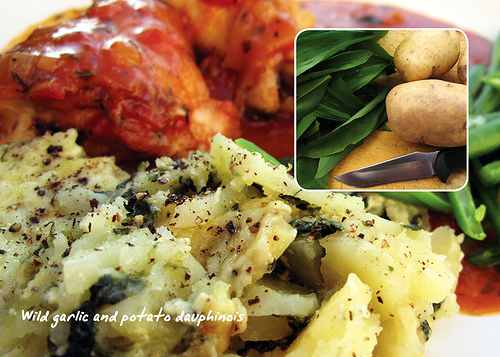
Wild garlic and potato dauphinoise

It has become a bit of a tradition over the last couple of years to celebrate the beginning of spring with a wild garlic recipe. The wild garlic has just appeared over the last week in my local woods and this is when the young leaves are at their best. Here is a twist on a traditional potato dauphinoise recipe.

Recipe:
Blanche the wild garlic and chop. Create alternate layers of thinly sliced potato and wild garlic and so on finishing with potato. Pore over the infused milk/cream, cover and cook for 40 minutes (200 C), remove cover and finish with some cheese for 10-30 mins or until top layer is browned.
For the dauphinoise: double cream and milk, bay leaves, salt and pepper, pinch of nutmeg and some butter.

Sunday, 11 July 2010

Sea beet gratinee (Beta vulgaris)

Sea beet (Beta vulgaris) sometimes called wild spinach is a fairly common perennial that occurs along the seashore from shingle beaches, sea walls and the drier parts of salt marshes. It is thought to be the ancestor of all cultivated varieties of beet from beetroot to spinach - beet. However, the root has not any real value as a food source but the leaves form a good green vegetable. They can make a useful and tasty substitute for spinach. 

Recipe: Strip the stalks and midrib and cook for a couple of minutes and drain. For the béchamel sauce: 50g butter, 2 tablespoons flour, 1 teaspoon Dijon mustard, 150 ml of milk/crème fraiche, lots of mature cheddar cheese and salt and pepper. Cook for about 20 mins at 200 C.

Saturday, 19 June 2010

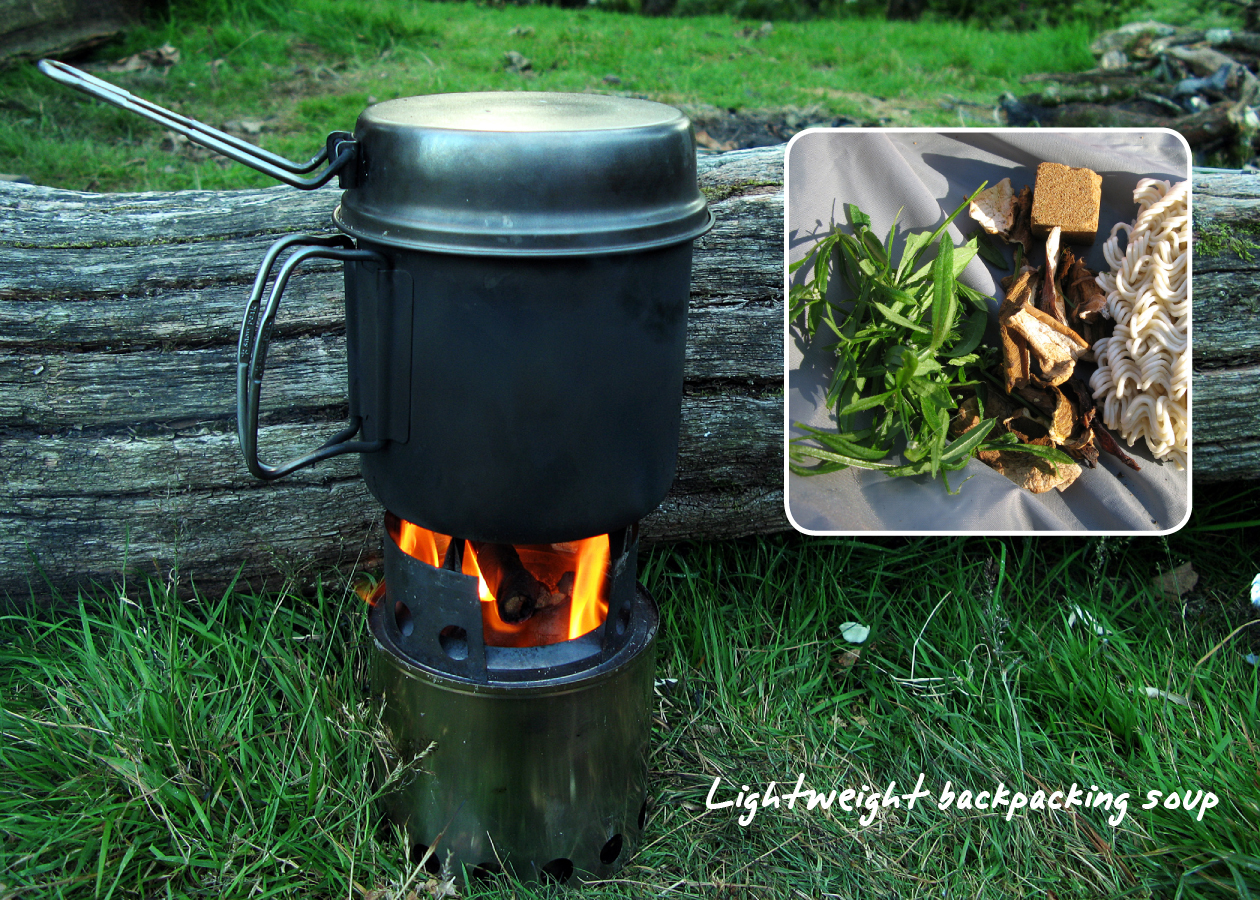
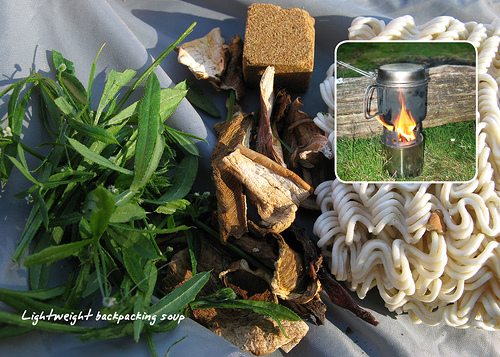
Lightweight backpacking soup

This is just a simple lightweight backpacking soup which i quite often have for my lunch when backpacking, you could use any dried mushroom or a mix.

Recipe:

Handful dried Cep (Boletus edulis) mushrooms and some chopped wild tree ear if available (Auricularia auricularia).

Handful of young nettle leaves or similar edible wild greens chopped.
1 
quick cooking package noodles, without the flavour packet
1 chicken stock
 cube
Extras if available
 (but not necessary): soya sauce; 1 garlic glove crushed; 4 spring onions, chopped; 1 teaspoon sesame oil to give it a nice chinese flavour.


Thursday, 22 April 2010

Hawthorn and potato salad (Crataegus monogyna)

Hawthorn is a very common widespread deciduous shrub or tree that is frequently found in hedges. Now that the young hawthorn leaves are out, here is a quick and simple potato salad with young hawthorn leaves. Apart from the edible berries that you can make a reasonable jelly out in autumn, you can also eat the young hawthorn leaves this time of year. The young April leaves that were once called 'bread and cheese' many decades ago have a pleasant nutty taste which can be used in salads or any recipe that uses wild spring greens. Hawthorn flower wine (out in May) was also quite common in former times.

Young Hawthorn leaves (Crataegus monogyna)
Cooked and cooled baby new potatoes
Dressed with cracked black pepper,salt, walnut oil and cider vinegar

Saturday, 3 April 2010

Wild stinging nettle soup

The stinging nettle (Urtica dioica) is one of the most commonest of all edible wild plants. It is one of the most versatile of the 'wild greens' and has been used from everything from a green vegetable substitute (like spinach) to nettle porridge, nettle beer, nettle tea and a hair conditioner. The fibre can also be made into clothing. As a straight vegetable substitute, nettles should be gently boiled for about four minutes. They are best eaten when the plant is young, of if older just use the tops of the plant.

40g young nettle heads (stalks removed)
1 large leek
2 cloves of garlic
1 stick of celery
2 potatoes
750ml of organic chicken or vegetable stock
Olive oil, sea salt and cracked black pepper
Serve with sour cream and buttered croutons


Wednesday, 31 March 2010

Goosegrass (Galium aparine) aloo saag

Goosegrass or cleavers is a really widespread wild green that can be found abundant in hedges and woods and can be used as a spinach substitute. This is one of the first wild greens to appear in the early spring, and can, moreover, be picked through snow and frost when few other plants are to be found. The leaves should be boiled like spinnich before the hard round seeds. The seeds can also be roasted and used as a coffee substitute.


Ingredients:
50 grams of wild goosegrass leaves (Galium aparine)
3 medium new potatoes, peeled and cut in 1-inch cubes
Oil or clarified butter
1 tsp mustard seeds
1 tsp coriander seeds
1 lg onion, peeled and thinly sliced
2 lg garlic cloves, peeled and smashed
1 tsp ground coriander seed
1 tsp paprika
1/4 tsp ground cardamom seed
1 TBS peeled, minced, fresh ginger
1 tsp ground black pepper
1/4 tsp cayenne or chilli flakes
salt to taste

Chop goosegrass coarsely, place in a colander in the sink, and wash
very well in lukewarm water. Place clean goosegrass in a large pot.
Add potatoes to the goosegrass, cover with warm water, and bring to
a boil over high heat. Lower the heat to a simmer, and cook about
12 minutes, until the potatoes are tender. Meanwhile heat the oil
or clarified butter in another large, deep saucepan. Add the mustard
seeds and cook them until they start to hop and pop. Add sliced
onion and garlic and saute quickly over fairly high heat until
translucent, stirring often. Add all the spices except salt and
saute a minute more.


Remove from heat. When the potato mixture is tender, drain it in
a colander over the sink. Reheat the onion and spice mixture, add
the potato-goosegrass mixture, and gently stir to blend. Taste and
add salt as desired. Simmer over low heat about 10 minutes, until
the mixture is fairly dry and the spices have been absorbed by the
vegetables.