Showing posts with label fungi. Show all posts

Sunday, 24 July 2011

Puff-ball recipe


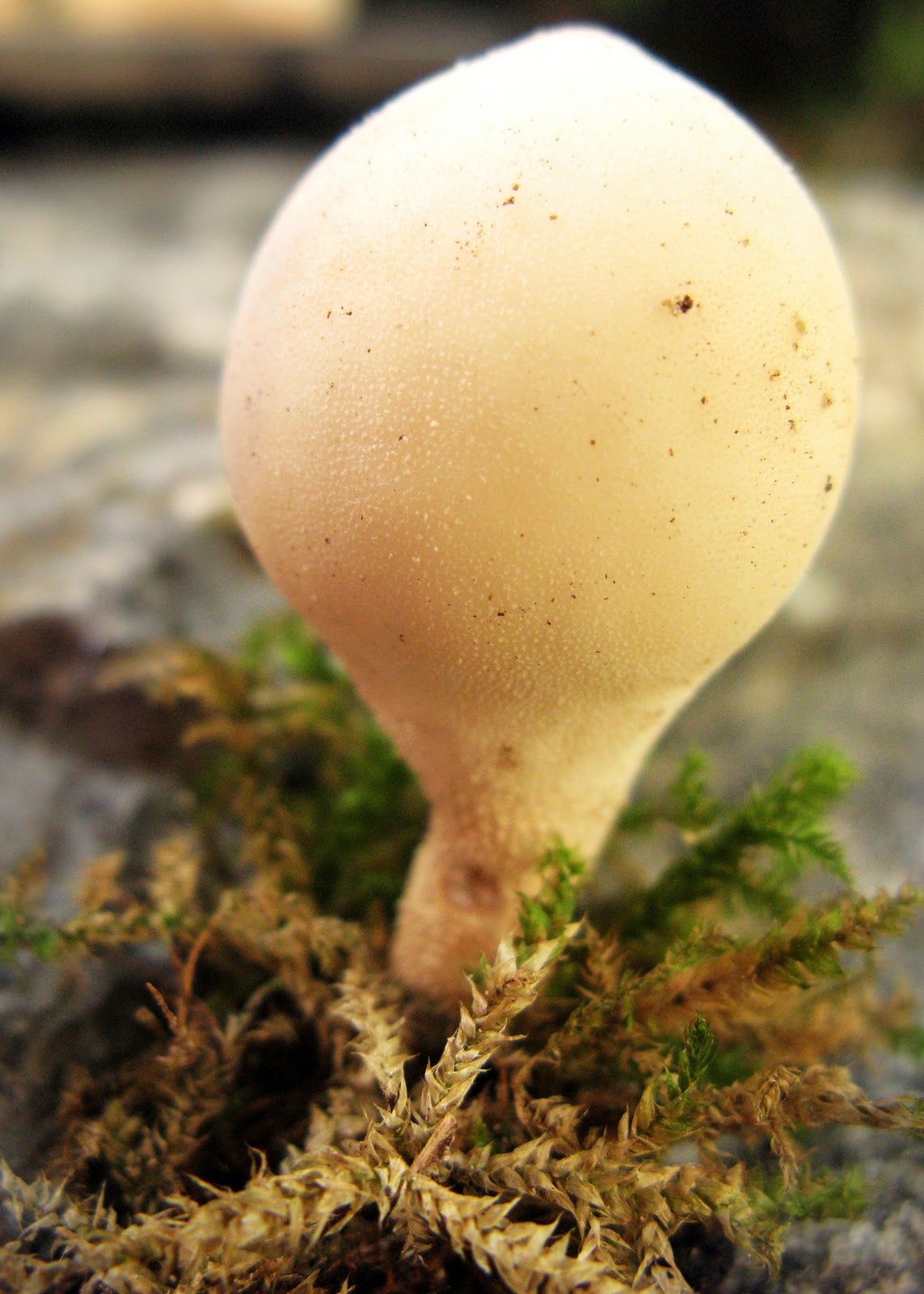
I think this is my first fungi recipe of the year with puffballs appearing in early July to November. There are lots of puff-ball species, the most spectalular being the giant puff-ball (Langermannia gigantea) which is fairly uncommon and probably the best tasting. All puffballs in Britain can be eaten and none are really poisonous, but they can sometimes be confused with earth-balls (Scleroderma citrinum) which are not edible. If you slice a earth-ball you can see the dark spores in the middle. You can only eat puffballs when they are young and without the spore development inside, if you slice a puffball with a knife and it is beginning to yellow, discard them. The sliced puffball should be all white inside. The species I've used in this recipe is Lycoperdon perlatum (common puffball) which is fairly common and grows in clumps in wooodlands (usually between 5 and 10 cm in height). Puffballs are especially suited for quick frying (which I have done here) and can also be dried.


Ingredients: shallots, garlic, lemon juice, white wine, butter, parsley, young puffballs.


Sunday, 12 September 2010

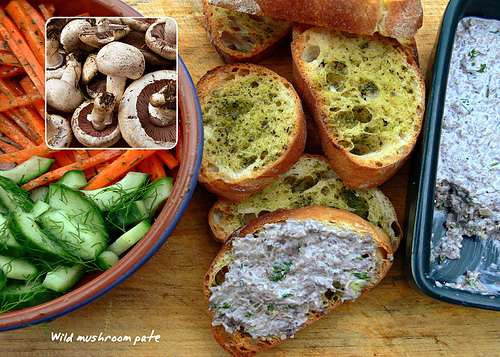
Wild mushroom pate


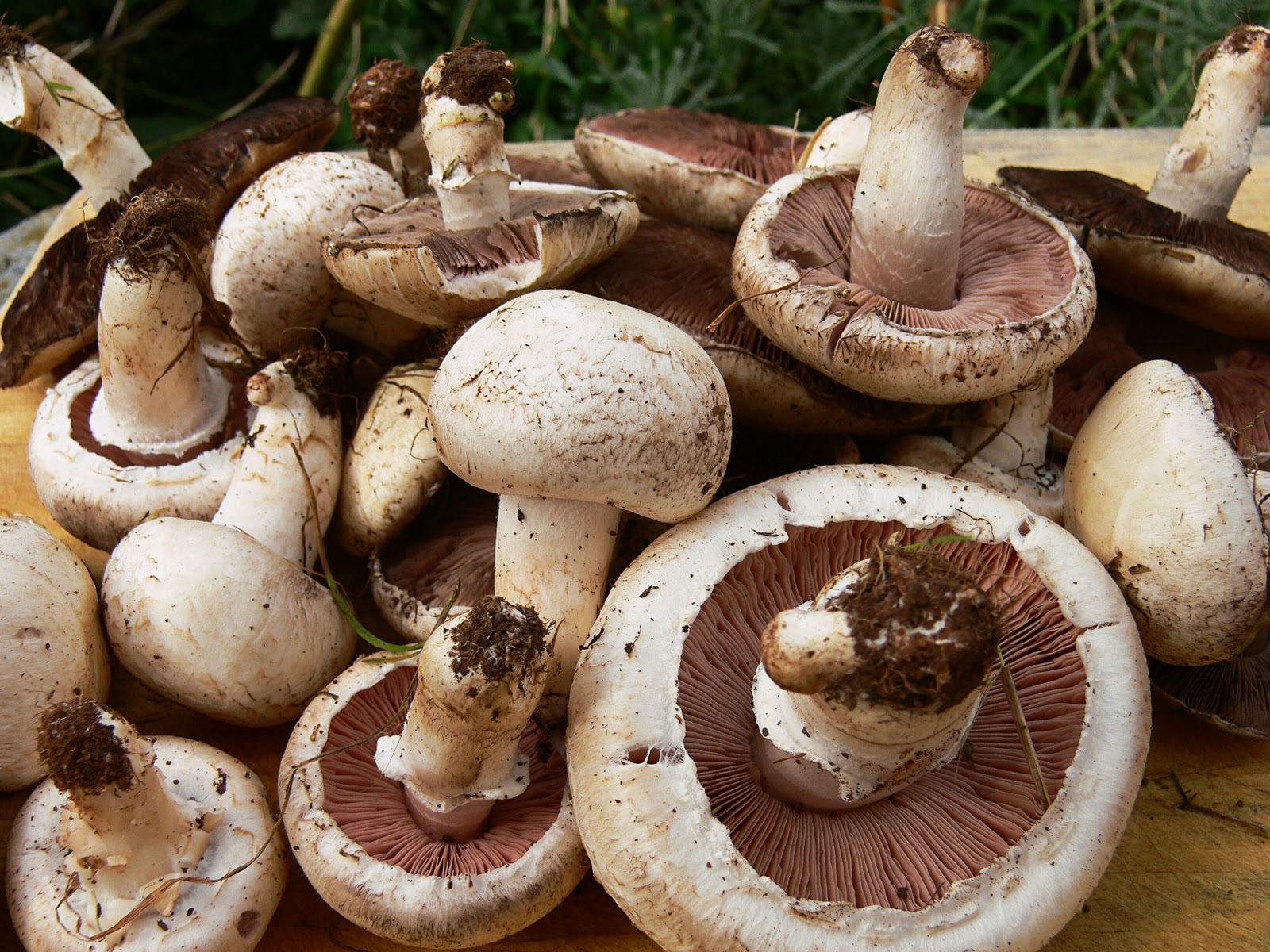
As the season of 'mists and mellow fruitfulness' begins to gently envelop the land it's time to enjoy a fungal foray around my local fields. Luckily I came across a field peppered with field mushrooms, so many in fact, I decided to make a pate from the excess.

Wild mushroom pate

250g of mushrooms (horse mushrooms, field mushrooms, parasol mushrooms, St Georges Mushrooms, etc)
3 finely chopped shallots
2 cloves of garlic
Butter
dry white wine
teaspoon of dark soy sauce
Rosemary, thyme and parsley
2-3 tablespoons of softened cream cheese
Salt and lots of black pepper


In a large pan, melt the butter over medium-high heat. Add the shallots and garlic and cook, stirring, until soft and fragrant, 2 to 3 minutes. Add the mushrooms and cook, stirring, until wilted and starting to brown. Add the wine, thyme, rosemary, soysauce, salt, and pepper, and cook, stirring, until the wine is nearly all evaporated, 5 minutes. Add lots of parsley and cook for 30 seconds. Transfer to a food processor. Process with the cheese until well combined. Adjust seasoning, to taste. Transfer to a dish or bowl, cover and refrigerate until set, 3 to 4 hours. Serve chilled.

Saturday, 19 June 2010

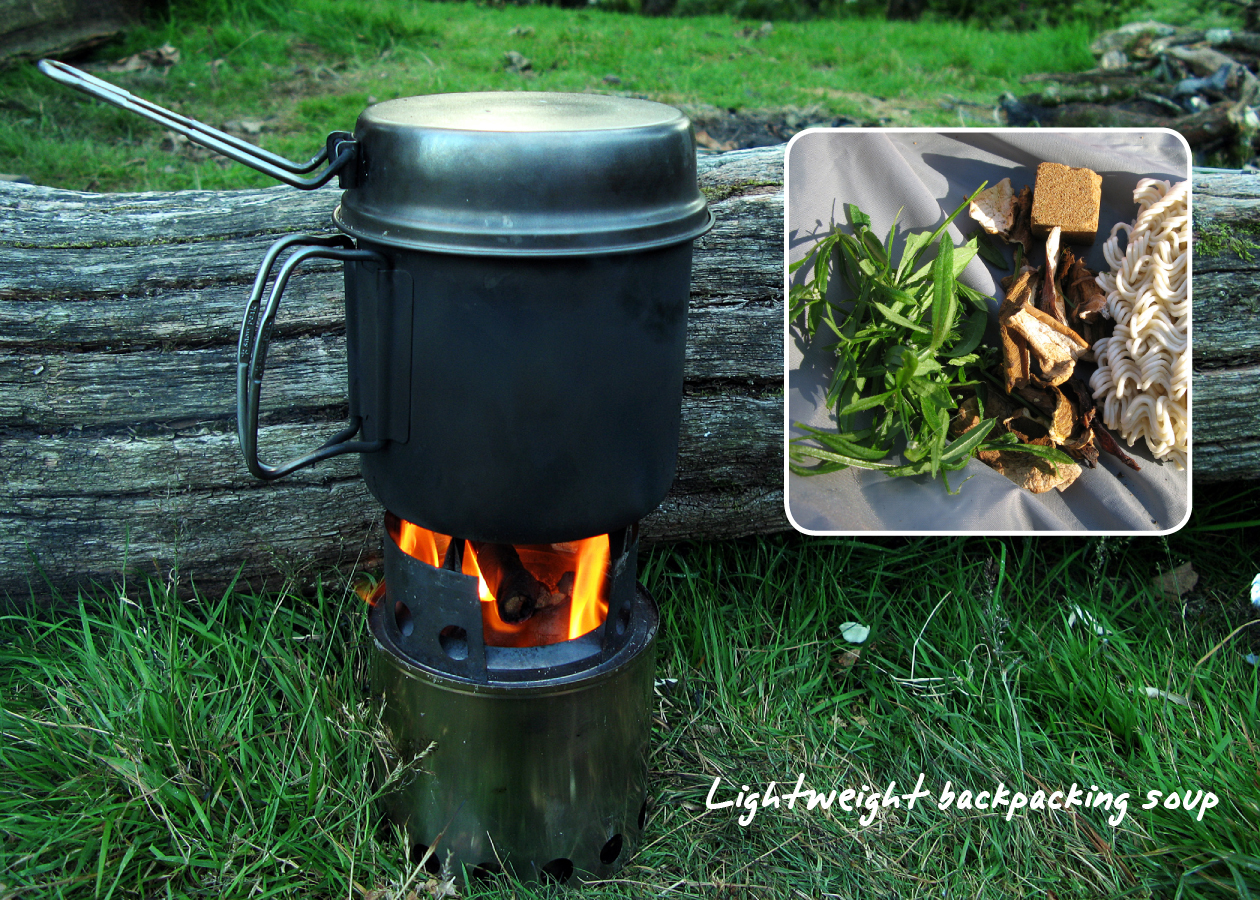
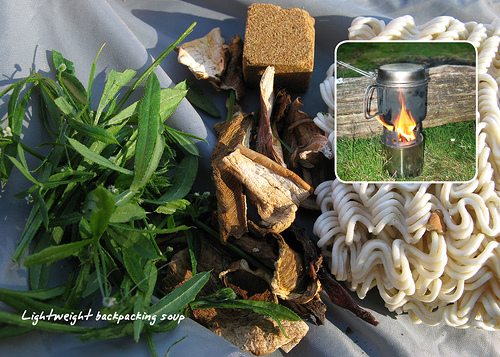
Lightweight backpacking soup

This is just a simple lightweight backpacking soup which i quite often have for my lunch when backpacking, you could use any dried mushroom or a mix.

Recipe:

Handful dried Cep (Boletus edulis) mushrooms and some chopped wild tree ear if available (Auricularia auricularia).

Handful of young nettle leaves or similar edible wild greens chopped.
1 
quick cooking package noodles, without the flavour packet
1 chicken stock
 cube
Extras if available
 (but not necessary): soya sauce; 1 garlic glove crushed; 4 spring onions, chopped; 1 teaspoon sesame oil to give it a nice chinese flavour.


Sunday, 23 May 2010

Tree ear fungus rolls with hedge garlic


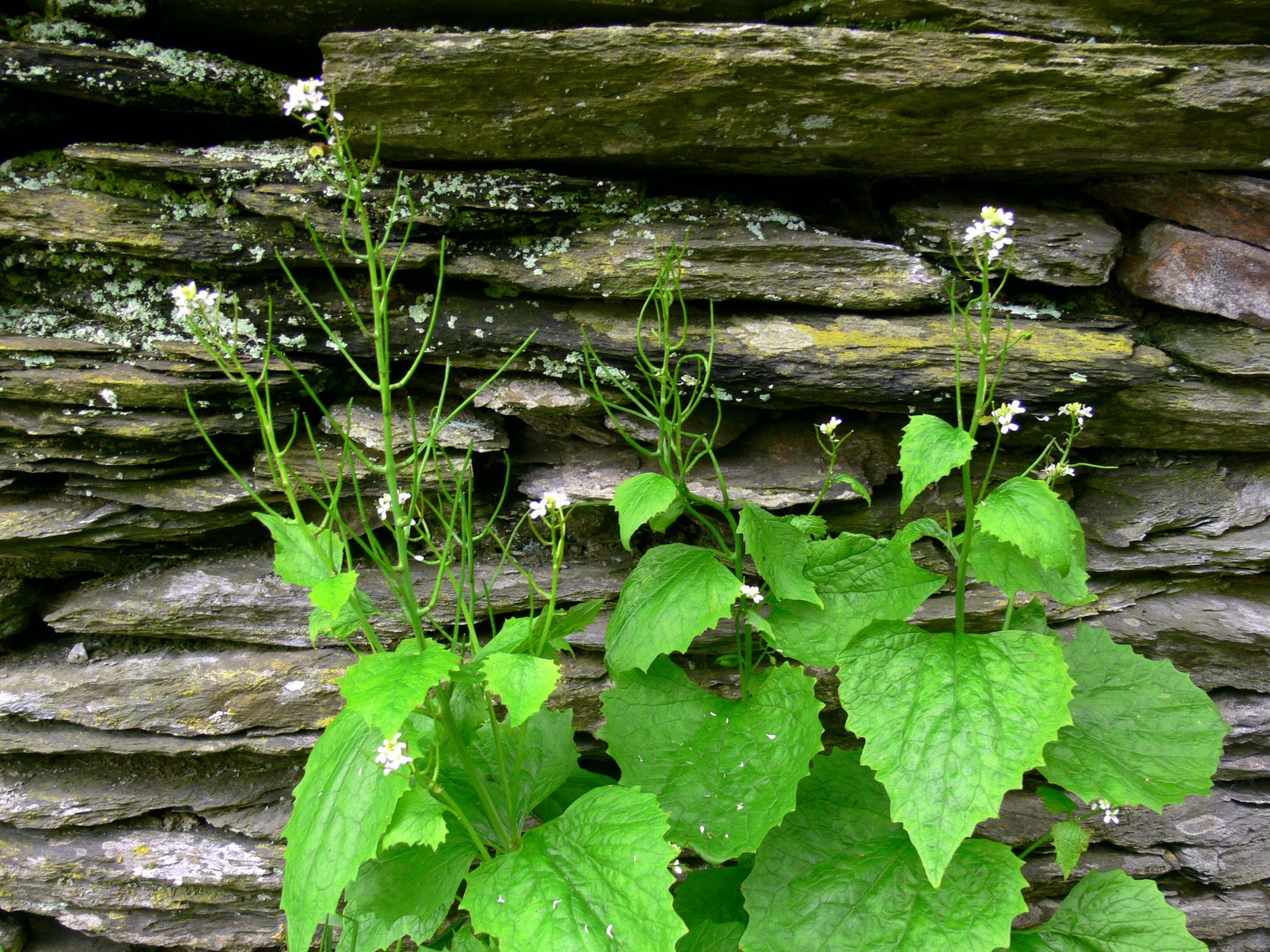
Hedge garlic, garlic mustard or Jack-by-the-hedge (Alliaria petiolota) is pretty common along hedgerows and wood margins in spring. Hedge garlic was once used as a common salad and flavouring herb and was widely eaten in the 16th century as a sauce for salt fish. Another traditional recipe involved blending hedge garlic with mint leaves and serving with lamb and mutton dishes.

Tree ear fungus (Auricularia auricula) also know as jew's ear or jelly ear fungus is an odd looking fungus commonly found on elder trees. The fruit body is gelatinous or rubbery to touch and usually grows in clusters. Although it does not look particularly appetising you can eat it and it is widely used in Chinese cuisine in stir-fry dishes and soups, however, it is rather lacking in taste and requires gentle cooking to tenderise the rubbery flesh. According to the legend Ray Meares you can easily dry this species and use it in survival soups.


Recipe:
Tree ear fungus finely chopped
 (Auricularia auricula)
Bunch of chopped hedge garlic (Alliaria petiolata)
Sprig of thyme
Glove of garlic
Dash of soy sauce
White buttered bread
Cracked black pepper

Simmer the ingredients for about 30 mins in butter. Spread  on buttered white bread (non-buttered side), roll up and skewer then grill until brown.


Saturday, 1 May 2010

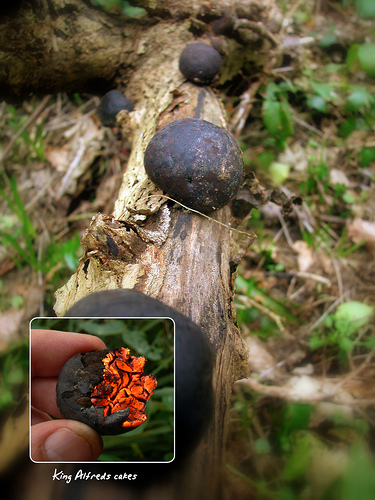
King Alfred's cakes (Daldinia concentrica)

King Alfred's cakes or sometimes known as cramp balls or coal fungus are quite often found in woods on ash trees.  This fungus is hard, forming a semi-spherical black lump that are usually about 3-5 cm in diameter. Folklore has it that King Alfred in disguise once hid out in a countryside homestead owned by a peasant woman during the war with the viking Danes, and was put in charge of removing baking from the oven when it was done. He fell asleep and the cakes burned.The cakes burned, and the peasant woman gave her king a good scolding for his carelessness. Daldinia concentrica is said to resemble a cake left to this fate (hence the common name). Although this species is not edible the black variety can be used as tinder and even as a substitute for charcoal to cook over. On the underside you will see silvery-grey concentric rings and these rings can be ignited using a firesteel or similar. Once ignited blow to increase the glow until the fungus is burning like a charcoal briquette.